From Highly Sensitive to Highly Self-Aware: Journal to Know Yourself, Soothe Your Emotions, and Recharge
What does it mean to be highly sensitive?
It’s a relatively uncommon personality trait, and you could also call it a unique gift.
Highly sensitive people tend to think things through more carefully and dive deep into details, and they pick up on other people’s emotions and shifts in the atmosphere more keenly than most. But because they take in so much information, being around people can leave them drained, and they need time alone to regain their balance.

For highly sensitive people, journaling is one of the better ways to recharge. Your rich inner world, with its feelings and thoughts so plentiful they get a little chaotic, can be sorted out and clarified as you write. And when the outside world becomes too much, journaling can remind you to set boundaries and protect yourself.
And when you look back through your entries, you’ll discover that your sensitive self also has a deep capacity for feeling and a sharp eye for observation. Your gift can take you to another world, one that people who move through life unmoved could never reach, not in a lifetime.
Here are four journaling methods to help you move from “highly sensitive” to “highly self-aware,” and make life feel a little lighter.

1. Let Your Emotions Flow
Every night before bed, write down the events that stirred up your emotions that day, for example: “When I was talking to my coworker today, I got really angry because …… "
The key is: what happened that triggered such strong emotions?
Then ask yourself: How do I feel right now? What do I need? A break, or someone to talk to? If it’s a break, what would help me relax?
For example: I feel really “anxious.” I need to take my mind off things. I can make my bed, brush my teeth, and then lie down and watch some anime for a while.
- 📝 Further reading: Can’t Stop Feeling Anxious? 11 Psychology-Based Remedies for Relief
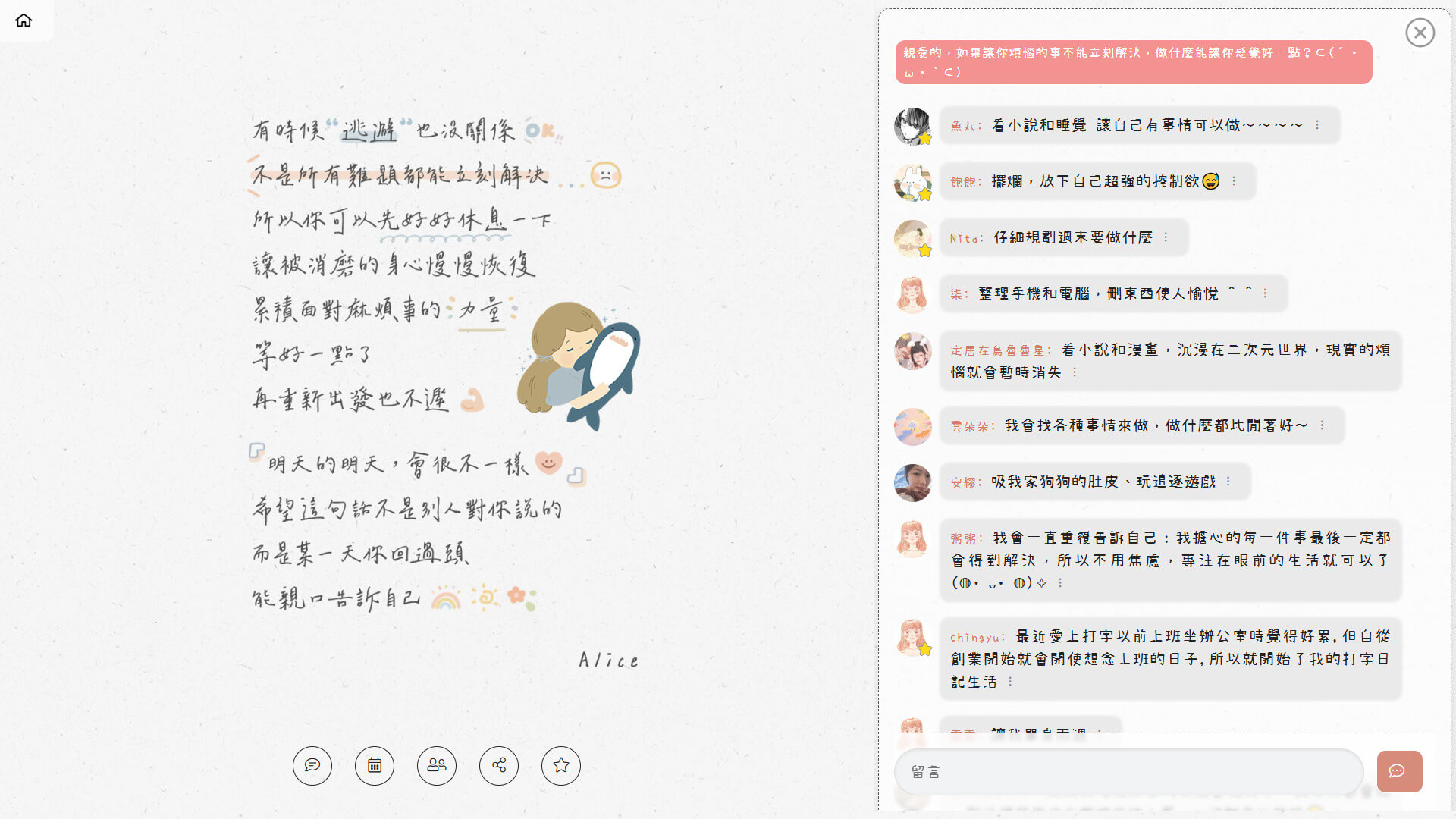
“Letting your emotions flow” means allowing your feelings to be seen and expressed, so they don’t stay bottled up inside until one day they suddenly explode and you do something you regret.
2. Practice Setting Boundaries and Being Honest With Yourself
Write down whether you pushed yourself to do something you didn’t want to do today. For example: saying yes to an invitation you really wanted to turn down, taking on too much work, or putting up with behavior or comments that made you uncomfortable.
Then ask yourself: “If I could do it over, what would I do? What do I want, and what don’t I want? How can I get what I need?” You can also write down, clearly, the behaviors you won’t accept.
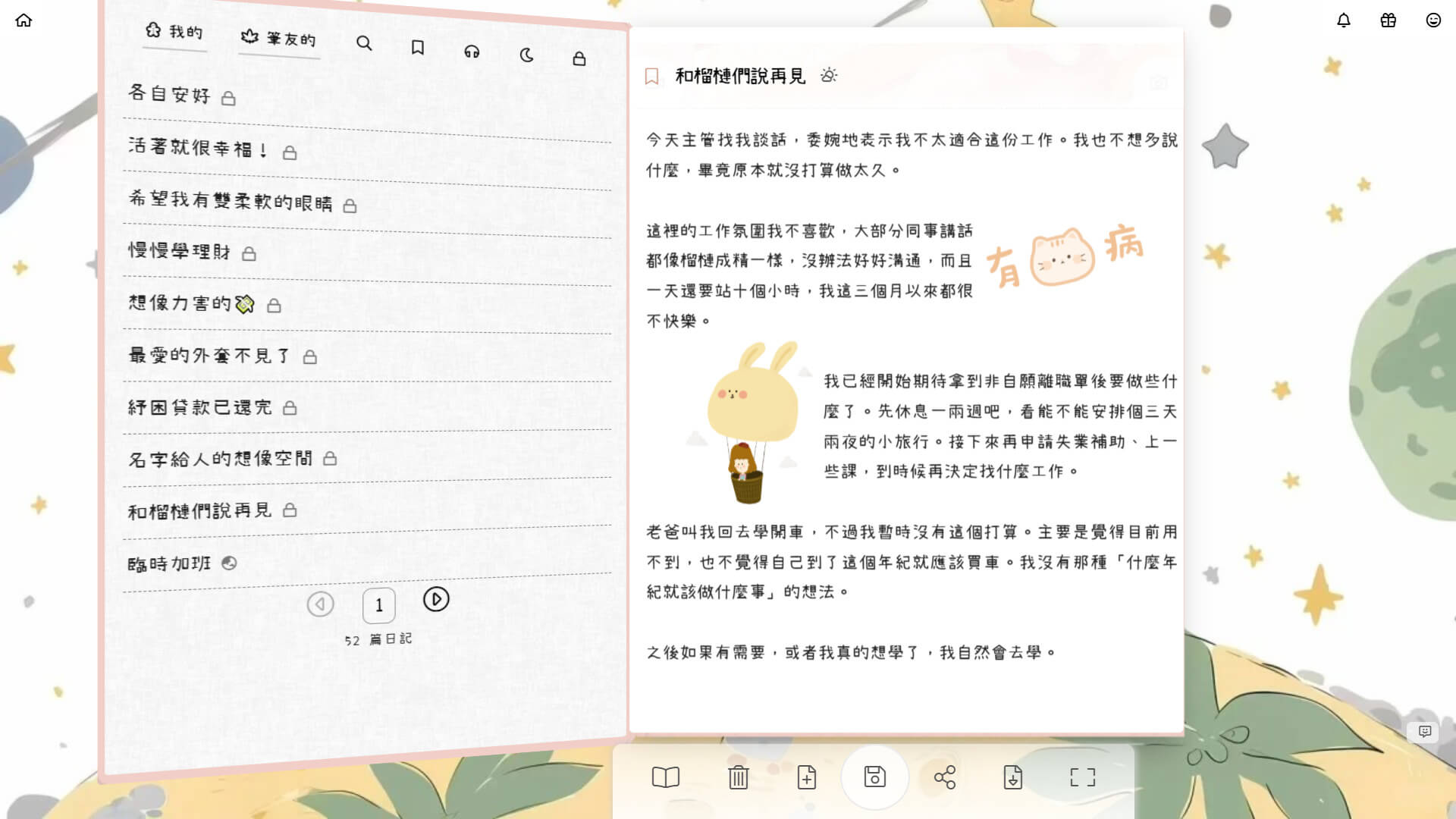
Over time, you’ll get clearer about your own limits. Even when you occasionally need to compromise, it won’t be an unconscious give. It will be a choice you make with awareness.
- 💡 A gentle reminder: You don’t need to feel guilty for saying “no.” If you don’t, your emotional energy and attention can easily be drained dry. Or reply later to give yourself some breathing room, instead of saying yes or no right away.
3. Collect Tiny Joys to Recharge
Each day, write down a few things that felt soothing, lovely, or cute. They can be very small, like:
“I’ve been going to bed earlier these past few days, and the soft feel of my comforter makes me so happy.”
“On my way home today, I spotted a huge mushroom with a little snail sheltering from the rain underneath it. It was like a scene from a fairy tale. So cute!”
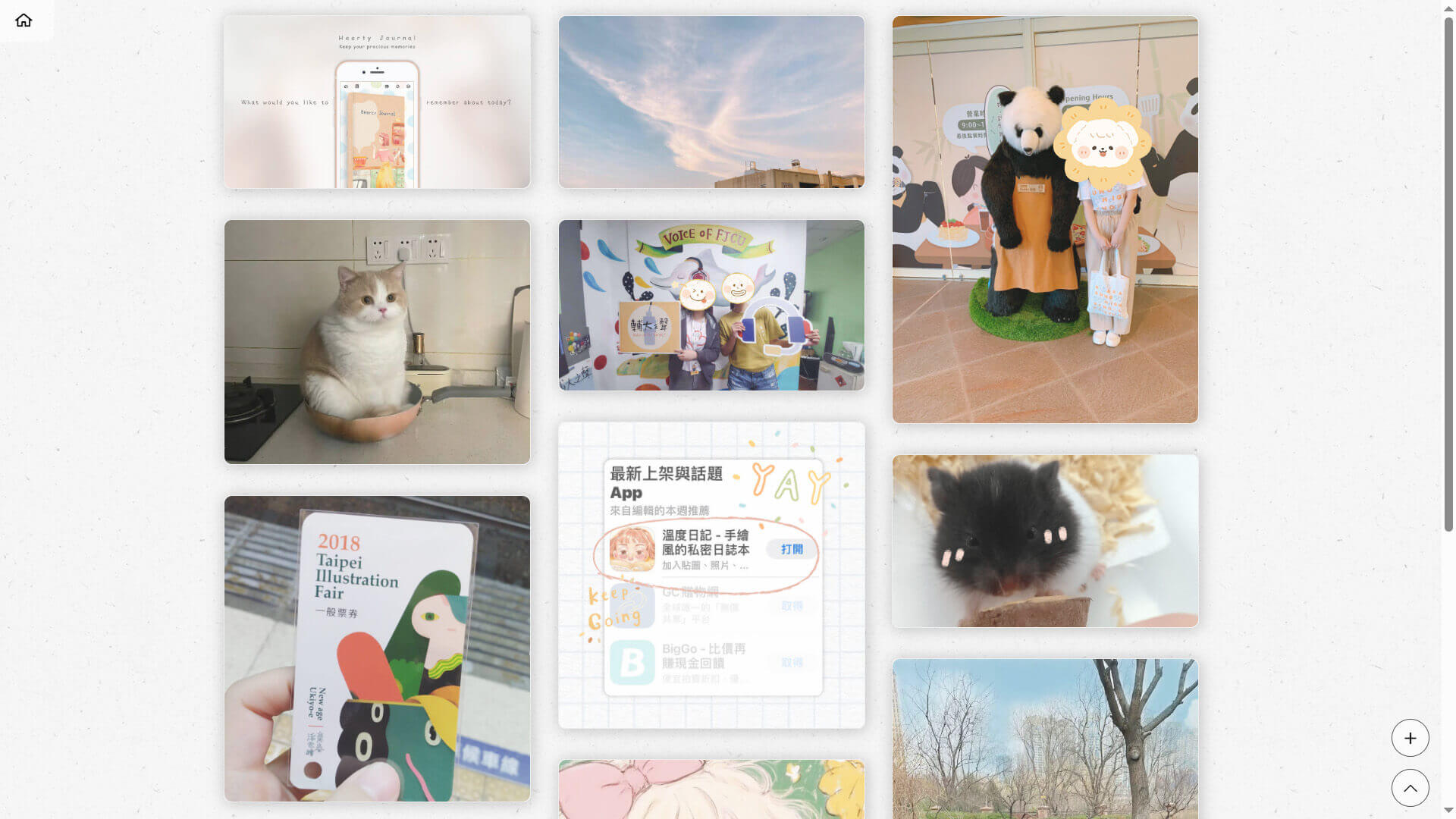
These are little gifts from the universe, and highly sensitive people are always quicker to catch these “small joys.” Recording these delicate observations in your journal can turn everyday life into a world full of warmth and beauty.
- 📝 Further reading: How to Start a Gratitude Journal: A Gentle Pause That Boosts Happiness and Resilience
4. Flip the Spotlight and Build Up Your Confidence Reserves
Highly sensitive people naturally notice details. They always catch the tiniest shortcomings or the slightest displeasure in others, yet often overlook the bigger picture and their own efforts.
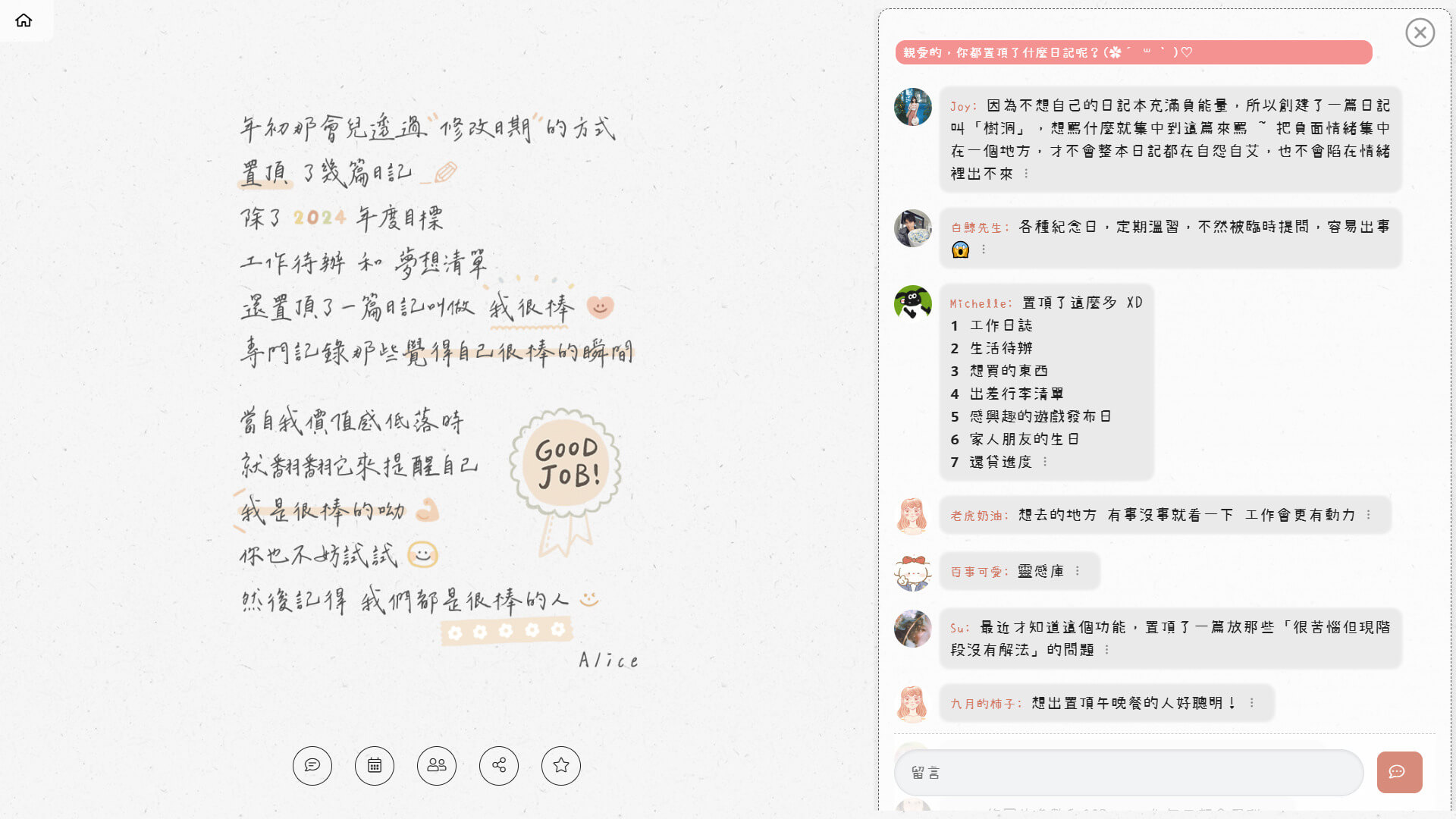
Journaling can help you “flip the spotlight” by focusing on recording the moments you did well, gradually bringing your perspective back into balance. Make a habit of writing a Done List or the things that gave you a sense of accomplishment, for example:
“I finished everything on my to-do list today and beat procrastination!”
“I haven’t stress-eaten in a long time. Great job!”
“Today I really listened to my friend’s worries and gave her lots of support.”
- 💡 A gentle reminder: When you’re feeling discouraged, flip through your journal and you’ll see what a good person you really are. Seeing your strengths and efforts helps you slowly build a more positive view of yourself.
For highly sensitive people, your perception is rich and your thoughts are nuanced, but too much information and emotion can easily overwhelm you.
Journaling isn’t just about recording and venting. It’s also a wonderful way to talk with yourself, listen to yourself, and heal.
Through the self-awareness practices above, you can turn your keen perception inward, learn to understand yourself, soothe your emotions, and recharge, making life lighter and more at ease. You’ll go from “highly sensitive” to “highly self-aware,” from feeling the world around you to feeling yourself.