Can't Stop Feeling Anxious? 11 Psychology-Based Remedies for Relief
Once anxiety kicks in, it can feel like it’ll never end. You want to relax, but you just can’t. Nothing has even happened yet, but your mind has already played out several dramas, and every one of them has a bad ending.
You’ve tried. Deep breaths, talking to someone, distracting yourself. But sometimes none of it works, and it can even make you feel worse.
The methods below draw on ideas from psychology and offer gentle ways to cope when anxiety hits. They work for all kinds of anxiety, they’re simple, and you can do them entirely on your own.

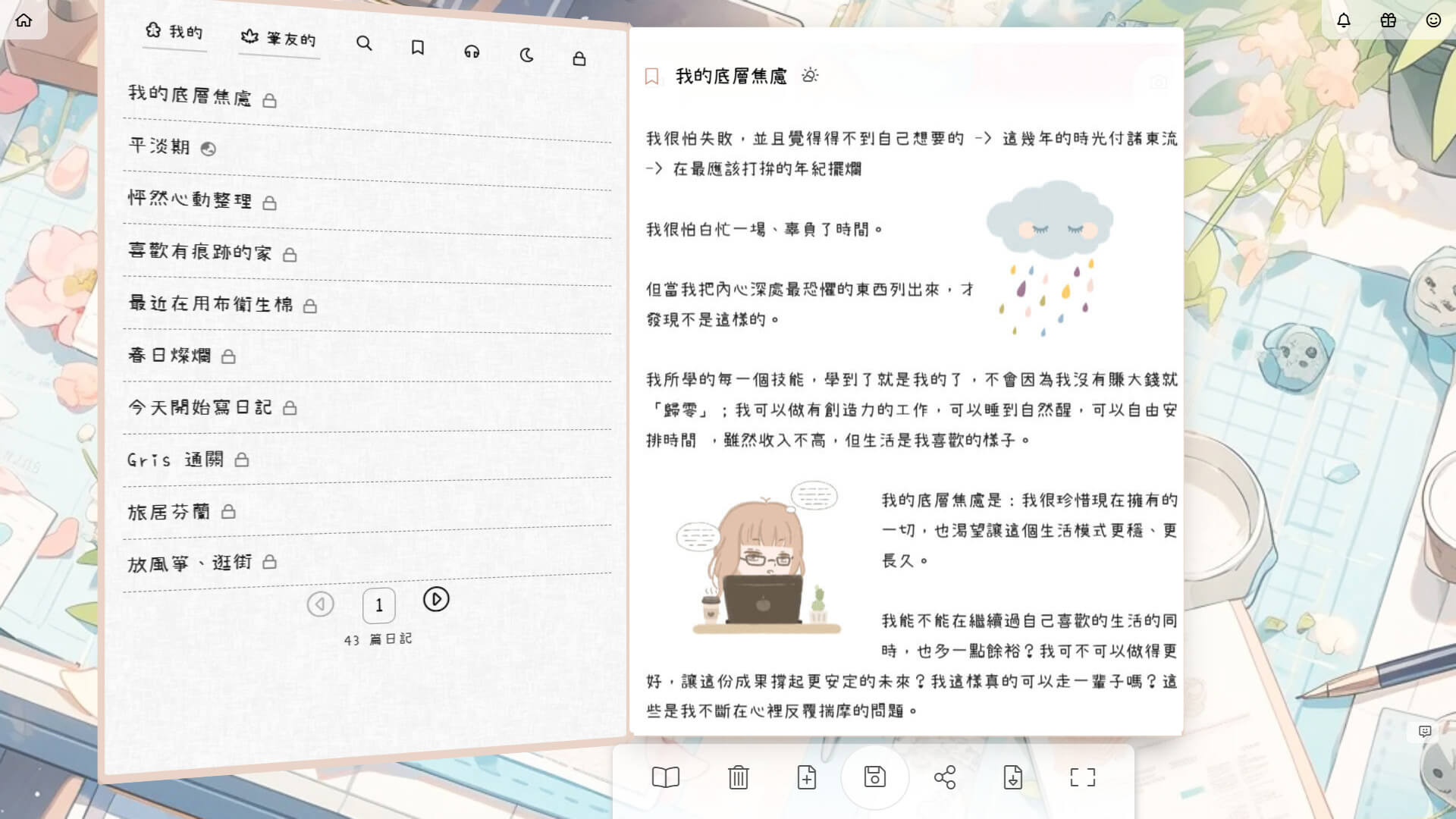
1. Journaling Works Better Than Telling Yourself Not to Think About It
People often say, “Don’t overthink it.” But the truth is, our brains can’t simply stop thinking about something. It’s like the white bear effect: if you’re told not to think about a white bear, the white bear only becomes clearer in your mind.
Instead of forcing yourself not to think, do the opposite: think, and write freely. Let your thoughts flow onto the page and untangle the knot in your mind.
As you write it down line by line, you may discover that only one or two things are actually making you anxious. And when you’re anxious, your brain tends to exaggerate danger, misread situations, and turn small things into disasters.
Once those thoughts are on paper and you look at them from a third-person perspective, you might be surprised: “Is this really serious enough to ruin my life?”
That’s what journaling can do for you:
It helps you see how absurd and exaggerated some of your worries are, put some distance between you and your thoughts, and realize that a thought is just a thought, not necessarily a fact.
- 👉 Try Hearty Journal - A Hand-Drawn Private Diary
- 📝 Further reading: Feeling Anxious? 7 Journaling Prompts to Help You Find Your Calm Again
2. Soothe Yourself Through Your Five Senses
This is a simple way to ease your emotions through your senses.
Look at something that calms you, like the light and shadows outside your window or the clouds drifting by;
Listen to relaxing music or white noise;
Smell a scent you love, like a fragrance, the lingering smell of laundry on your clothes, or a freshly brewed cup of tea;
Touch the texture of your desk, a warm mug, or a squishy stress toy;
And taste something delicious.
Most anxiety comes from imagining the future, but your senses exist only in the present.
So the next time anxiety rises up, let your senses bring your attention back to the here and now.

3. Get Into Flow by Doing Something You Can Lose Yourself In
Many people scroll on their phones to distract themselves when they’re anxious, but that kind of distraction usually just numbs your feelings, and it often backfires later, leaving you feeling empty.
Tidying your room, decorating a corner, making crafts, prepping ingredients, cooking, washing dishes, playing an instrument, gaming …… When you throw yourself completely into something you enjoy, your brain stops arguing with itself and quietly enjoys the moment.
That’s flow.
When you’re in flow, the steady feeling of “I’m in charge here” replaces the helplessness and chaos anxiety brings.
The biggest difference between these activities and scrolling is that they let you actively focus on one thing, and they usually leave you with a sense of accomplishment (scrolling, on the other hand, means passively taking in stimulation).
Anxiety usually can’t be suppressed, but it can be gently guided somewhere else.
And since anxiety is really a friend who’s desperate to protect you, this is also a kinder way to treat that emotion, and yourself.
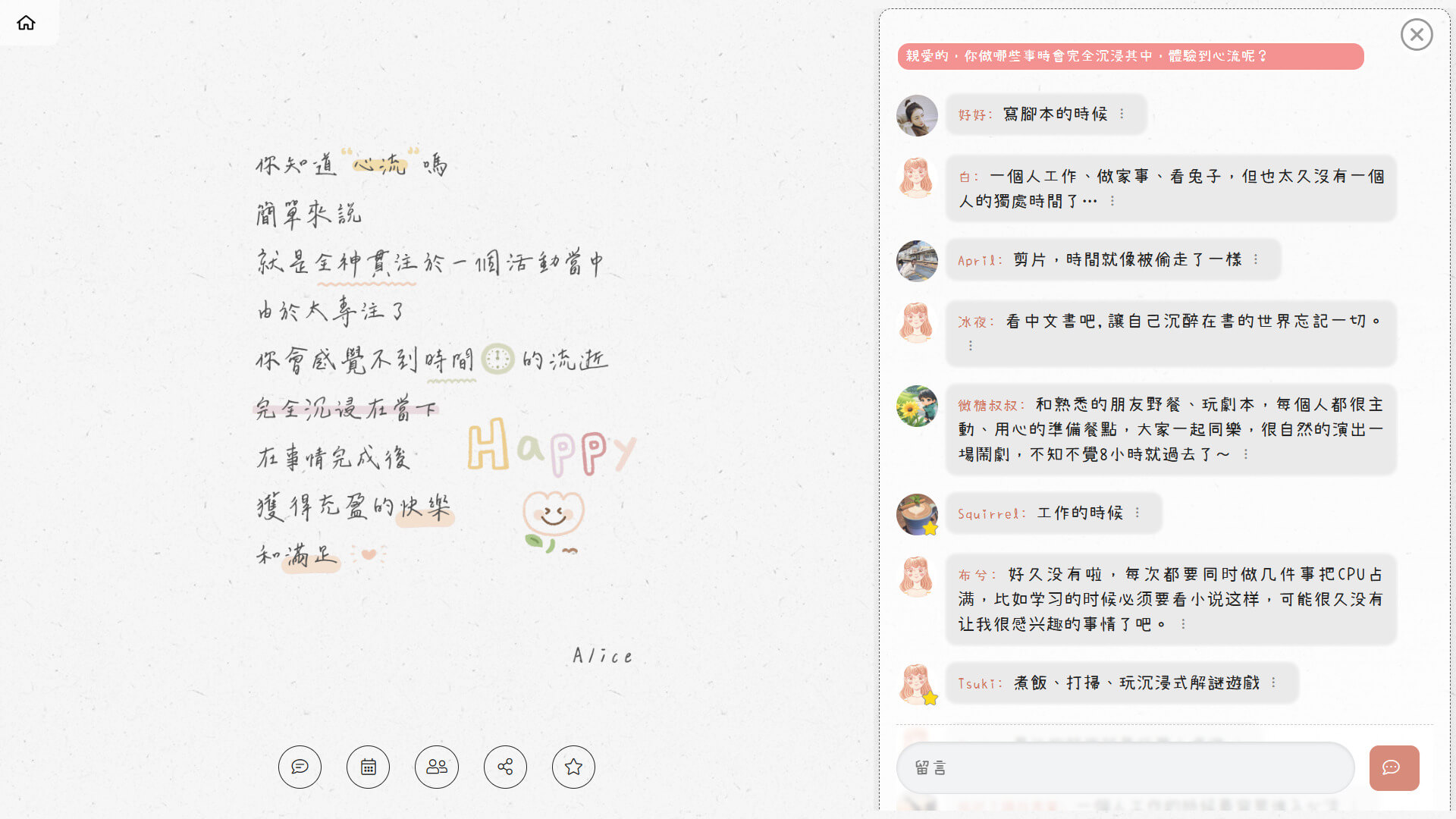
4. Do Small Things to Quickly Regain a Sense of Control
For example, tidy up your space: wipe down your desk, line things up neatly, sort scattered papers into piles, bag up the trash and take it out.
Anxiety isn’t just a bad mood. It’s the sense that danger lies ahead, while you’re powerless to do anything about it right now.
For example:
- Waiting for interview results, with nothing you can do
- Imagining something might fail, even though it hasn’t happened yet
- Having a pile of tasks and no idea where to start
All of this makes you feel out of control.
Doing small things you can finish right away helps you quickly regain a sense of control.
💡 Why “small” things?
Because when you’re anxious, your brain slows down. Taking on something too difficult might only make you more anxious. Small things are easy to do and work really well for getting you moving again.
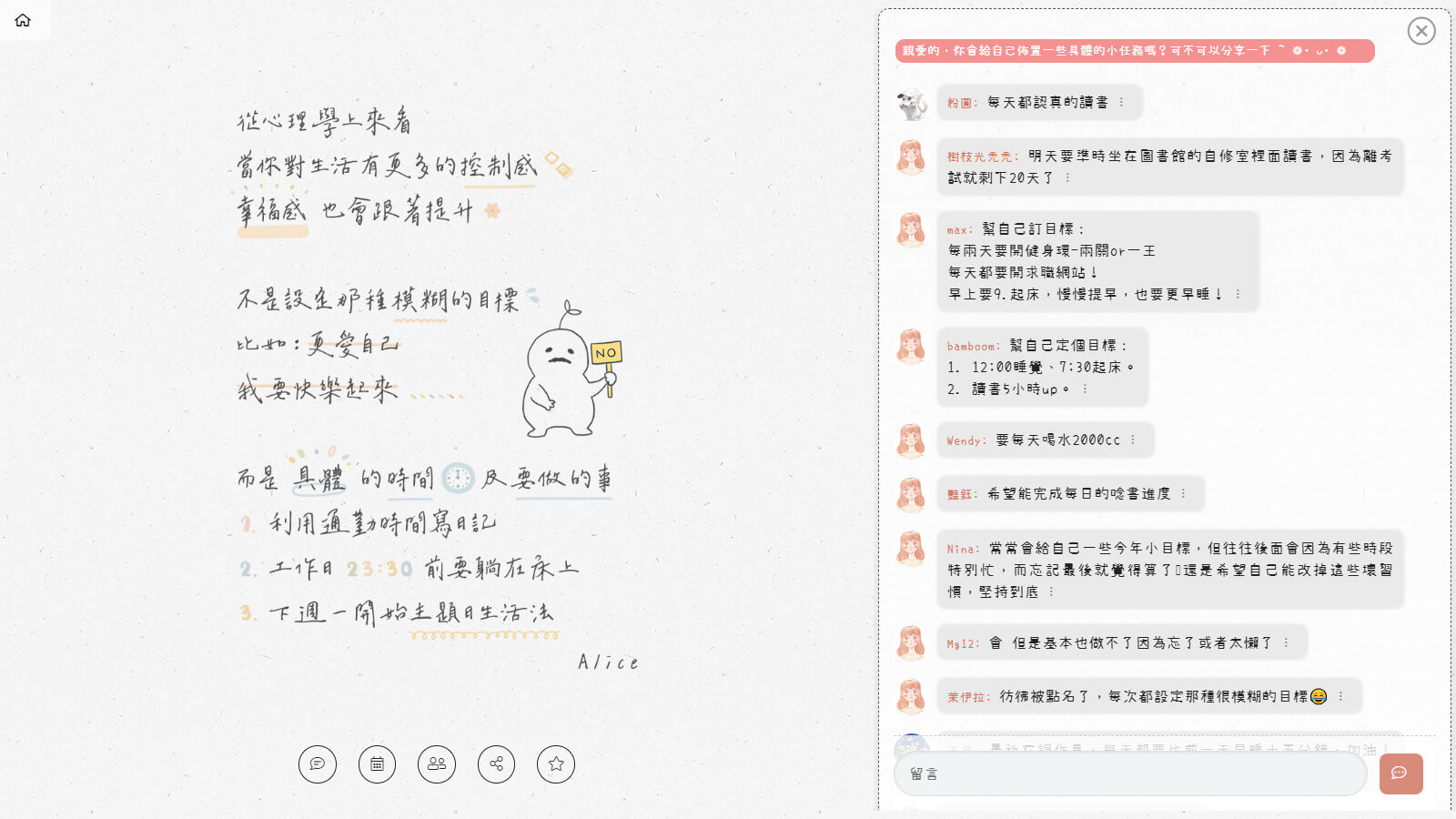
5. Make a Habit of Recording Your Wins to Build a “Psychological Savings Account”
Anxiety always makes us selectively ignore the things we’ve done well.
“Why do I always mess things up?”
“Am I just useless?”
“I’ll never get anything right … "
But that isn’t true. Your brain is caught in a cognitive bias.
When you write down what you accomplished each day and what made you feel proud, your attention shifts from “negative panic” to “here’s what I actually achieved,” and you feel more secure.
Over time, you’re building a “psychological savings account,” making deposit after deposit of trust in yourself.
The next time you feel low, restless, or like you can’t do anything right, flip through these entries and remind yourself: “I’m a pretty great person!”
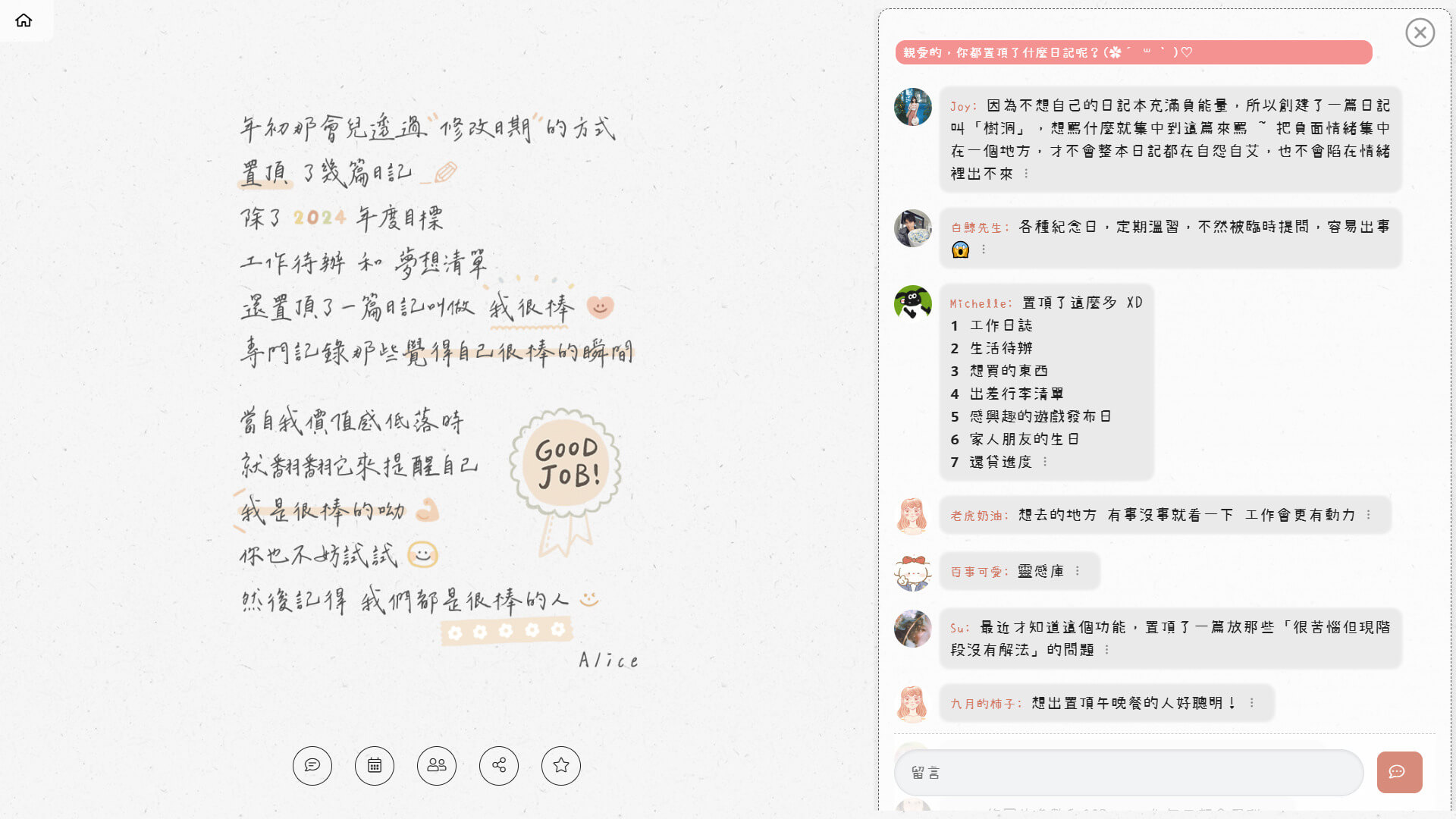
6. Realize That “the Future Doesn’t Actually Exist”
We’re always worrying about the future.
“What if I fail?”
“What if I regret it?”
“What if it’s too late?”
But the truth is, the future isn’t something you think your way into. It’s something you live your way into, one step at a time.
The future isn’t a ready-made thing. It’s pieced together from countless “nows.”
Instead of spending your time worrying over and over, do something practical. At the very least, you’ll know that every day brings a tiny bit of positive change.
Once enough of it adds up, you’ll naturally be a little closer to your goals.

7. Realize That “There’s No Such Thing as Failure”
Maybe you were taught from a young age that “failure is not an option,” so before you act, you can’t help spiraling into all kinds of worries.
But really, there’s no such thing as failure in this world. There’s only “success” and “gaining experience.”
If you succeed, great;
If not, you’ve definitely learned something, and either way, you’ve earned a few more experience points than you had before.
Life is a lot like playing a game with no end in sight.
Every time you clear a level, countless more challenges are waiting to be unlocked. Sometimes they’re opportunities, sometimes they’re twists of fate.
And along the way, we set one milestone after another for ourselves.
8. Write Reminders to Comfort Yourself
During an anxiety spike, the rational part of your brain (the prefrontal cortex) temporarily goes offline, and your emotions (the amygdala) take over.
Your thinking becomes extreme and self-critical, as if a devil were whispering in your ear.
That’s not a good time to force yourself to find answers.
It’s best to prepare reminders ahead of time that help steady you. They could be journal entries you’ve written or quotes you’ve saved.
It’s like being in a burning building where you can’t see which way to go, but glowing guide strips have already been laid along the floor. Just follow them, and you’ll get out safely.
Your reminders are those guide strips.
Save them in your Hearty Journal, and when anxiety rises, repeat them to yourself.
Don’t panic. This lifeline will slowly pull you back.
- 📝 Further reading: Read This When You’re Anxious: Gentle Yet Powerful Affirmations

9. Be Intentional About the Information You Let In
Social media in particular keeps pushing new information and controversial topics, so our brains never get a chance to rest.
On top of that, it’s easy to compare yourself to others without even realizing it while scrolling. Your life is raw footage, but what you’re seeing is everyone else’s highlight reel. Even knowing that, it’s hard to stop comparing, and that leads to the anxious feeling of “I’m falling behind.”
But we still have a choice. You can limit social media to a few set times each day (like during your lunch break) and turn off notifications the rest of the time. You can also stick to a handful of accounts you actually want to follow instead of watching whatever the algorithm serves up.
This isn’t about forcing yourself to quit. It’s about taking back control: you decide what you’re willing to let into your head.

10. Learn to Separate Your Tasks From Others’ and Focus on What You Can Do
Sometimes anxiety comes from “trying too hard to control things we can’t control”:
“My coworker is cold to me. Do they not like me?”
“They’re not replying to my messages. Did I do something wrong?”
“I didn’t do well enough in today’s interview. Is it hopeless?”
These thoughts are natural, because we all care about things and want things. But they can easily trap us in a sense of helplessness.
All we can really do is bring our attention back to ourselves. Did I express myself sincerely? Did I treat everything honestly? What else can I do from here? Those are the tasks that truly belong to us.
Anxiety rarely disappears completely, but once you can tell what you can set aside for now, you can face things calmly and with a clearer perspective.

11. Move Your Body and Shake Off Anxiety
When your head feels like it’s about to explode but just won’t stop, get moving!
If working out feels a bit boring, try something different. Pick activities that get you moving without feeling like a chore, such as:
- Taking a walk or wandering around a neighborhood you’ve never been to
- Putting on songs you love and swaying or dancing freely around your room
- Taking a stuffed animal along on a jog, running in different places, exploring new routes, and snapping travel photos of it
- Trying one of the many simple workout videos on YouTube, like beginner ballet, tai chi, or rhythm exercises, whichever you like
- Fun experiences like hiking, trail walks, city scavenger hunts, or escape rooms
You don’t need to break a sweat or burn fat. It’s just about changing the rhythm of your breathing. How you move is up to you. What matters most is that you enjoy it and have fun.

We always want to feel better quickly, but you can’t just tell your heart to relax and expect it to listen.
No method can guarantee your anxiety will vanish instantly, but the psychology and evidence-based techniques behind these tips can help you slowly find your footing.
Which one resonates with you the most?
Whenever unease washes over you, I hope you’ll remember: you’re not out of options. You have plenty of choices.
Sometimes, just one small thought like that can make you feel so much better.