Feeling Anxious? 7 Journaling Prompts to Help You Find Your Calm Again
What do you do when anxiety hits? Some people go for a workout, others try deep breathing. But there’s another option: write down all the messy, racing thoughts spinning around in your head.
Journaling may not make your problems disappear right away, but it can pull you out of fears that grow scarier the more you dwell on them. Take a deep breath, let your mind settle, and have an honest conversation with yourself. Little by little, your restless heart will begin to calm.
In this article, we’ll start by getting to know anxiety, then walk step by step through using affirmations and journaling exercises to soothe your emotions and talk to yourself with kindness.
Anxiety Is a Friend Who’s a Little Too Eager to Protect You
What is anxiety?
It comes from our survival instinct. In ancient times, when humans faced danger, the body would instantly trigger the “fight-or-flight response” so we could escape quickly. That system is still with us today.
Anxiety is really your brain sounding an alarm, trying to protect you from harm: “Something’s not right. Do something, fast, or run!”
The trouble is, this alarm can be a bit too sensitive. Social situations, work stress, and uncertainty about the future can all set it off again and again. Still, we can remind ourselves that it isn’t the bad guy. It’s a friend who’s just a little too eager to protect us.
Once we understand this, the sharp tension inside us can soften a little.
Instead of fighting your emotions, you can shift toward a gentler understanding: “Oh, I feel anxious because I want to protect myself.”
Why Does Journaling Help With Anxiety?
When you’re under a lot of pressure, does your mind keep racing and refuse to stop? You go over it again and again: “What do I do? Why is this happening? Should I do something?” And the more you think, the worse you feel.
This is when opening your journal and pouring everything out of your head can make things much clearer. You’ll start to see “what I’m actually afraid of,” “what I can do about it,” and “what the worst-case scenario really is.”
A lot of the time, our anxiety isn’t about one specific thing. It’s a vague sense of unease we can’t quite name. And because it’s so fuzzy, even when we want to feel better, we don’t know how to help ourselves.
But when you put your feelings into words and start asking yourself:
“What am I worried about?”
“Why do I care so much? What’s important to me here?”
“What can I do right now, even if it’s just something small?”
The foggy road ahead will slowly begin to clear.
And here’s the thing: anxiety loves to make us imagine one worst-case drama after another. But once you start writing, you can hit pause on that spiraling catastrophic thinking and come back to the real world.

Not Sure What to Write? Here’s How to Start
For many people, the first hurdle in journaling is not knowing what to write.
That’s okay. We’ve put together some prompts for you. Pick a few of these and start writing:
Today I feel anxious because ……
(Helps you pinpoint where your anxiety is coming from, so you’re not just feeling upset without knowing why)
What I’m most worried about right now is …… Is it actually going to happen?
(Helps you tell the difference between a “real” worry and an “imagined” worst-case script)
What can I do about it right now?
(Try to identify what’s within your power right now, to help you gradually regain a sense of control)
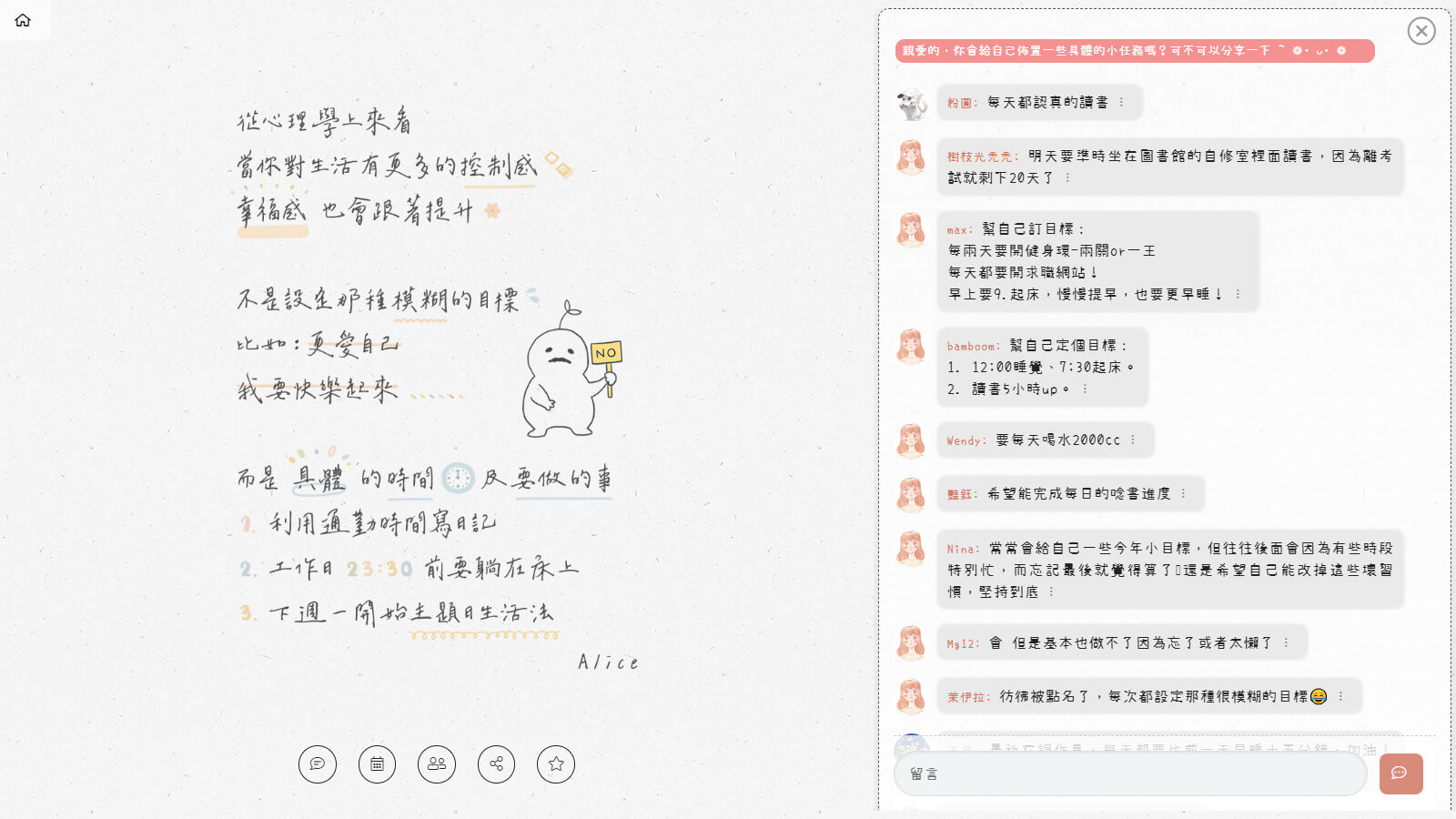
If the problem can’t be solved right away, what can I do to feel a little better?
(Not every problem can be solved immediately, but you can make yourself a bit more comfortable first and build up the strength to face it)
When I feel anxious, what affirmation can I give myself?
(Helps steady your emotions and reminds you that you’re doing great, and that you’re capable of taking things one step at a time)
If a friend were in this situation, how would I comfort them? What advice would I give?
(We tend to be especially hard on ourselves. Looking at things from a friend’s perspective might give you a different view)
Imagine a place that makes you feel relaxed. What does it look like? What do you see and hear?
(This is a psychological technique called visualization. Even if you can’t change your surroundings, you can use your imagination to create a safe inner space)
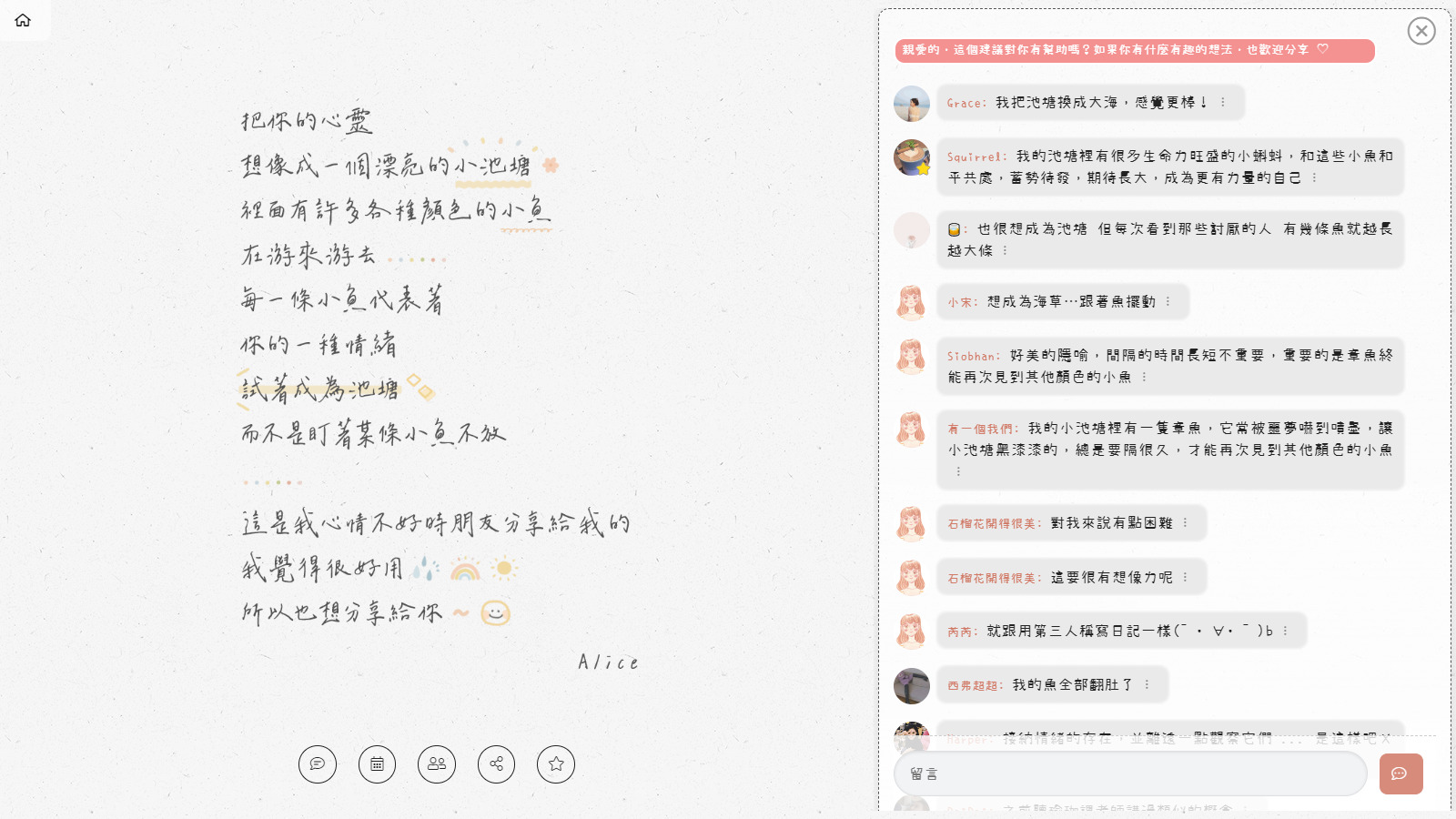
One Line at a Time, Calming the Storm Inside
When you’re anxious, journaling is a way to “see yourself, understand yourself, and take care of yourself.”
With the prompts above, you can peel back the layers of your emotions like an onion and uncover the confusion and fear buried deep inside. Once you can see them, you have a chance to soothe them.
Write down what’s making you anxious, and try to sort it out: is this a “real problem,” or an “imagined worst-case script”? Then ask yourself: what can I do right now?
When your mind won’t stop racing, instead of trying not to think, think about something else. Picture a scene that makes you feel safe, and gently guide your attention somewhere new.
These small writing exercises will help you regain control bit by bit and calm the restlessness and unease inside.